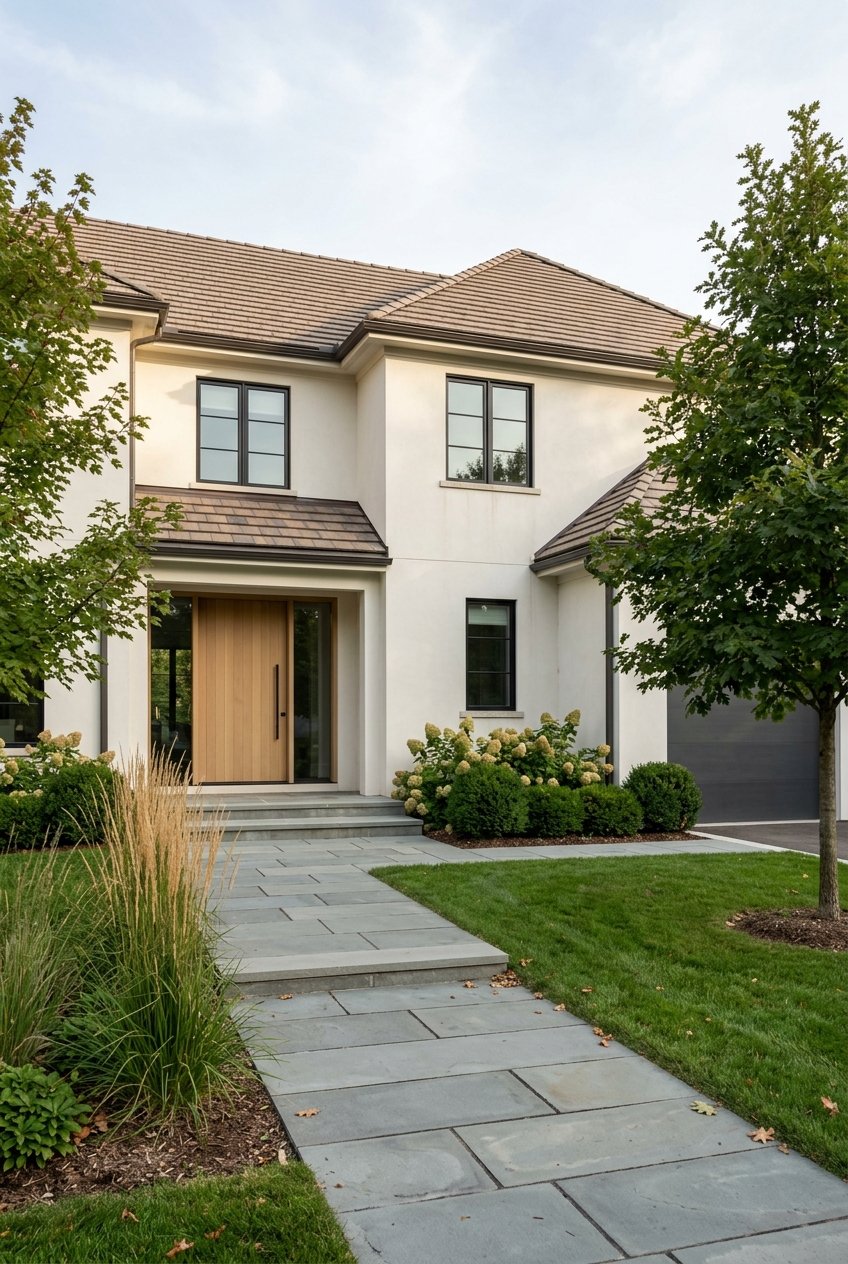
If you want a suburb that feels tucked away without feeling cut off, Burr Ridge deserves a closer look. For many buyers, the appeal is not just about home size or curb appeal. It is about how daily life comes together through space, greenery, dining, and easy regional access. This guide walks you through what living in Burr Ridge is really like so you can decide whether its pace and setting fit your next move. Let’s dive in.
Why Burr Ridge Feels Distinct
Burr Ridge is a small village of about 11,202 residents spread across 7.14 square miles in both DuPage and Cook counties. That scale helps explain why it often feels quieter and more residential than busier nearby suburbs. Census data also points to a strongly owner-occupied housing profile, with 94.0% of homes owner-occupied.
The village has long favored low-density growth. According to Burr Ridge’s official history, local leadership preserved woodlands, ponds, and wetlands as former farmland transitioned into residential neighborhoods. That planning approach helps create the spacious, wooded feel many buyers notice right away.
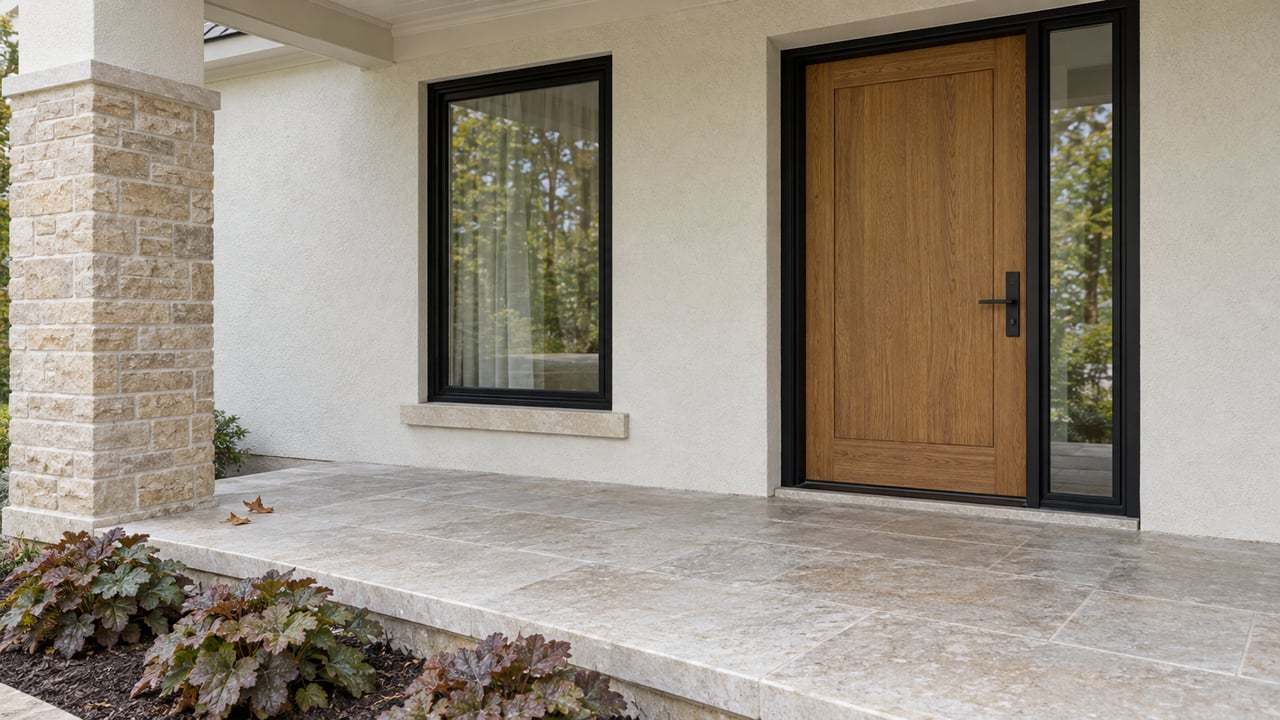
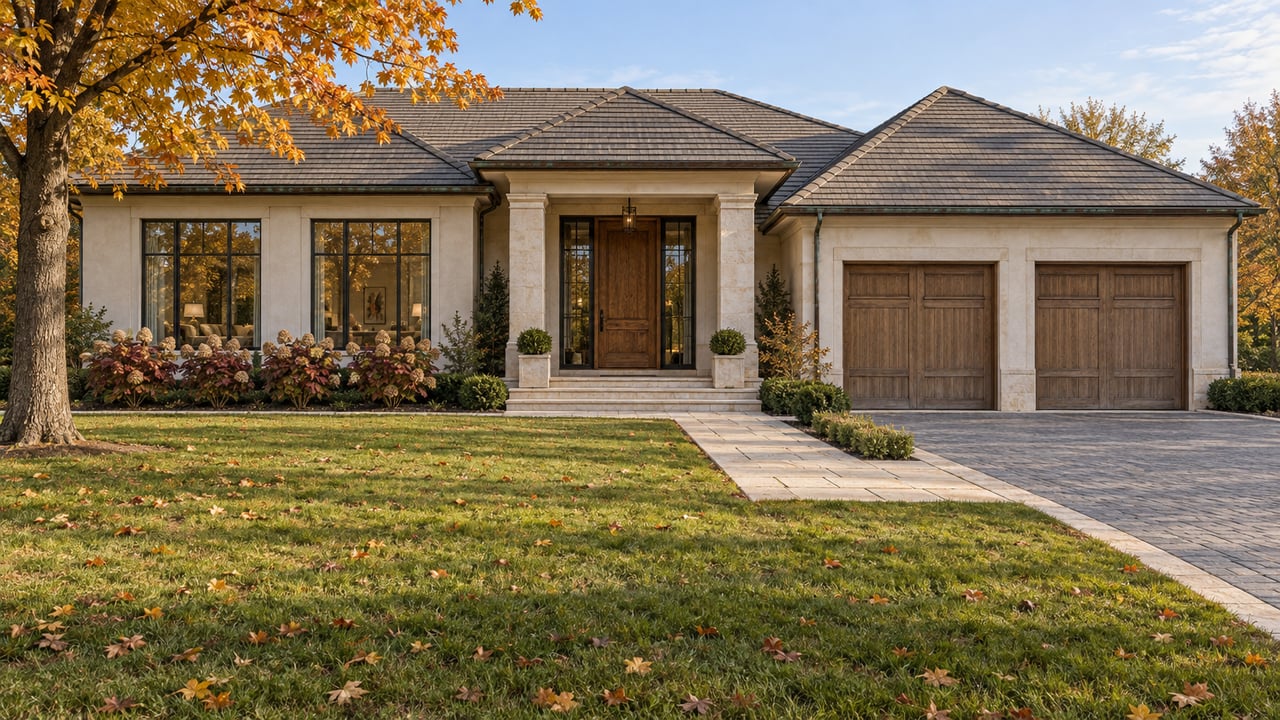
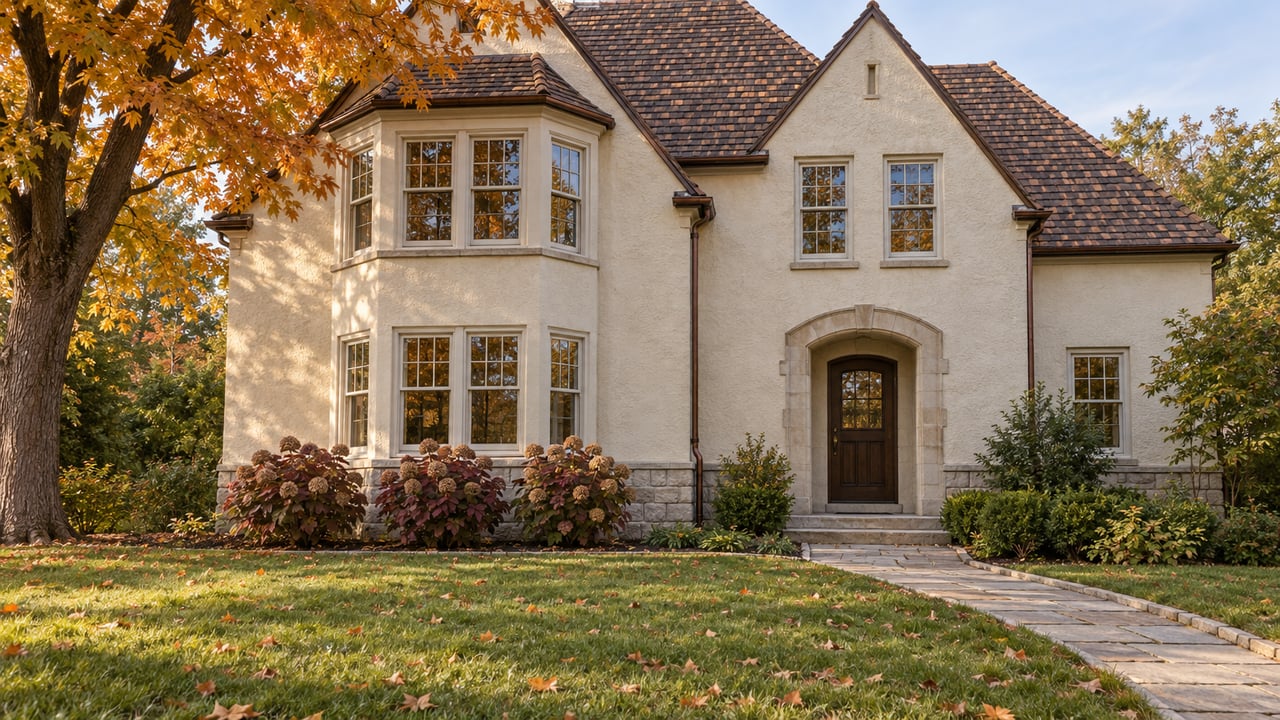
In practical terms, Burr Ridge reads as an estate-style suburb because homes tend to sit with more separation, streets often feel less dense, and natural features remain part of the setting. It is a polished environment, but not one that feels overly built up. That balance is a major part of the village’s identity.
Burr Ridge Homes And Setting
Burr Ridge’s housing profile reflects an affluent suburban market. The median owner-occupied home value is about $700,400, and the median household income is about $156,829. Those numbers do not tell the full story, but they do support the impression of a market shaped by larger homes and long-term ownership.
What stands out most is the setting around the homes. The village’s growth pattern preserved natural elements instead of replacing them with a tighter, more urban layout. As a result, many areas feel leafy, calm, and intentionally separated from commercial traffic.
For buyers relocating from denser neighborhoods, Burr Ridge can feel like a visible shift in pace. You get a more residential street pattern, a stronger sense of privacy, and a setting that leans wooded rather than crowded. For sellers, that lifestyle positioning is also part of what makes the village attractive in the broader west suburban market.
Trails And Outdoor Life In Burr Ridge
One of Burr Ridge’s strengths is that outdoor recreation feels woven into everyday life. Instead of relying on one oversized central park, the Burr Ridge Park District maintains a network of parks and natural areas across the village. Its inventory includes roughly 3.75 miles of walking paths on park properties.
That matters if you want easy options for a morning walk, an after-dinner loop, or a simple way to spend time outside without driving far. The parks are not just active-use spaces. They also preserve ponds, prairie areas, wetlands, and mature trees that support the village’s low-density character.
Harvester Park Highlights
Harvester Park is the Park District’s flagship community park and spans 37 acres. It includes active recreation areas along with a pond, wetland, and riparian and prairie open space. The Community Center is also located there, which makes it a practical hub for day-to-day activity.
If you like having both recreation and nature in one place, Harvester Park delivers that mix well. You can use the amenities while still enjoying trails through more natural acreage. It feels useful, but not overly busy.
Oak Grove Park And McCullough Park
Oak Grove Park offers walking paths, a pond, a small play area, a shelter, and a wooded setting with old-growth bur, white, and red oaks. Part of the southern portion connects with Oak Grove Forest Preserve through joint ownership with the Village of Burr Ridge and the DuPage County Forest Preserve District. The result is a park experience that feels especially rooted in mature landscape.
McCullough Park adds another relaxed option. It includes a 2.5-acre pond and a mile-long pedestrian pathway. Sidewalk connections between Harvester Park, Oak Grove Park, and McCullough Park make it easier to create simple local walking loops instead of treating each park as a separate destination.
Bigger Trail Access Nearby
Burr Ridge residents also benefit from nearby regional trail access. Waterfall Glen Forest Preserve in Darien has nearly 11 miles of mapped trails for hikers, bicyclists, horseback riders, and cross-country skiers. For buyers who want local calm with broader outdoor options close by, that is a meaningful advantage.
It is worth keeping the distinction clear, though. Not every nearby preserve is a trail destination. The Burr Ridge-area Des Plaines Riverway is protected habitat, but it does not offer trails or parking.
Dining And The Village Center Scene
Burr Ridge does not center social life around a traditional downtown main street. Instead, its dining and retail energy is concentrated in a polished commercial corridor. That gives the village a different rhythm than older suburbs, but for many residents, it works well.
The village’s downtown business district covers about 130 acres and includes Village Center, County Line Square, the Marriott Hotel, Lifetime Fitness Center, Burr Ridge Office Park, and the TCF Bank property. The village describes this area as a redevelopment-focused business district. In lifestyle terms, it functions as the community’s commercial and social core.
What Village Center Adds
Burr Ridge Village Center is an upscale mixed-use lifestyle center just south of I-55 on County Line Road. According to Illinois’ official tourism site, it includes more than 195,000 square feet of retail and restaurants, 196 luxury residential units, and 37,000 square feet of office condos above ground-floor retail. Free parking decks, on-site directories and menus, and valet at select restaurants add to the convenience.
That setup gives Burr Ridge a concentrated dining scene rather than a long restaurant strip. If you like the idea of having several polished options in one area, the Village Center supports that kind of routine. It can make weeknight dining, casual meetups, and errands feel simple.
The village’s own community survey language also shows that restaurants, retail, entertainment, and hotels remain central priorities in local business development. That suggests dining and hospitality are not side features here. They are part of how Burr Ridge presents itself and continues to grow.
Commute And Regional Access
For many households, Burr Ridge’s location is a major selling point. The village’s official history highlights access to I-55, I-294, and Route 83 as key drivers of growth. That remains true today, especially for buyers who want suburban space with efficient driving routes.
This is a car-oriented suburb, and that is important to understand upfront. The Census Bureau reports a mean travel time to work of 29.2 minutes, which fits the profile of a western suburb where commute times often depend on highway access and traffic patterns. If you travel around the region often, Burr Ridge’s road access is one of its clearest strengths.
Pace Park-And-Ride Option
Burr Ridge also offers a practical transit alternative for some commuters. Pace’s Burr Ridge Park-n-Ride at 7650 Lincolnshire Drive provides free parking and a bus shelter, though overnight parking is not allowed. Weekday rush-hour express routes 850 and 855 connect riders to the Loop, Streeterville, and River North.
That can be appealing if you want to avoid driving all the way into downtown Chicago. It is not the same as living in a rail-centered suburb, but it does give you another option for commuter planning. For some buyers, that flexibility can matter as much as the home itself.
Who Burr Ridge Often Appeals To
Burr Ridge tends to stand out for buyers who want a more private residential setting without giving up convenience. If your ideal suburb includes larger homes, more breathing room, nearby trails, and a refined dining cluster, Burr Ridge checks many of those boxes. It feels residential first, but not isolated.
It can also appeal to move-up buyers and relocating households who want a calm setting in the west suburban corridor. The mix of owner occupancy, preserved natural features, and regional access gives the village a stable, established feel. That combination is often hard to find in one place.
For sellers, Burr Ridge’s value is not just location. It is lifestyle clarity. When a home is presented well, the village’s story is easy to understand: space, greenery, comfort, and convenience in one polished suburban package.
Final Thoughts On Living In Burr Ridge
Burr Ridge offers a specific kind of suburban experience, and that is exactly why it resonates with the right buyer. It is low-density and wooded, with an estate-style feel, a concentrated dining and retail core, and everyday access to parks, paths, and major highways. Rather than trying to be everything, it does a few things very well.
If you are comparing west suburban communities, Burr Ridge is worth considering for its balance. You can enjoy a quieter residential atmosphere while still staying connected to dining, amenities, and regional travel. That combination gives the village a comfortable, well-composed feel that continues to draw attention from buyers across the corridor.
If you are thinking about buying or selling in Burr Ridge or nearby west suburbs, Jessica Halkias can help you navigate the market with clear guidance, local insight, and a thoughtful strategy tailored to your next move.
FAQs
What is Burr Ridge, Illinois known for?
- Burr Ridge is known for its low-density residential character, wooded setting, parks and walking paths, polished dining and retail area around Village Center, and convenient access to I-55, I-294, and Route 83.
What is the housing market like in Burr Ridge?
- Burr Ridge has a strongly owner-occupied housing profile, with 94.0% owner occupancy, a median owner-occupied home value of about $700,400, and an overall market that reflects an affluent suburban setting.
Are there trails and parks in Burr Ridge?
- Yes. The Burr Ridge Park District maintains a network of parks and natural areas with roughly 3.75 miles of walking paths across park properties, including Harvester Park, Oak Grove Park, and McCullough Park.
Where do people dine and shop in Burr Ridge?
- Much of Burr Ridge’s dining and retail activity is concentrated around the Village Center and County Line Square corridor, which serves as the village’s main commercial and social hub.
Is Burr Ridge good for commuting to Chicago?
- Burr Ridge offers strong highway access via I-55, I-294, and Route 83, and Pace’s Burr Ridge Park-n-Ride provides weekday rush-hour express service to the Loop, Streeterville, and River North.
How big is Burr Ridge, Illinois?
- Burr Ridge has about 11,202 residents and covers 7.14 square miles across both DuPage and Cook counties.