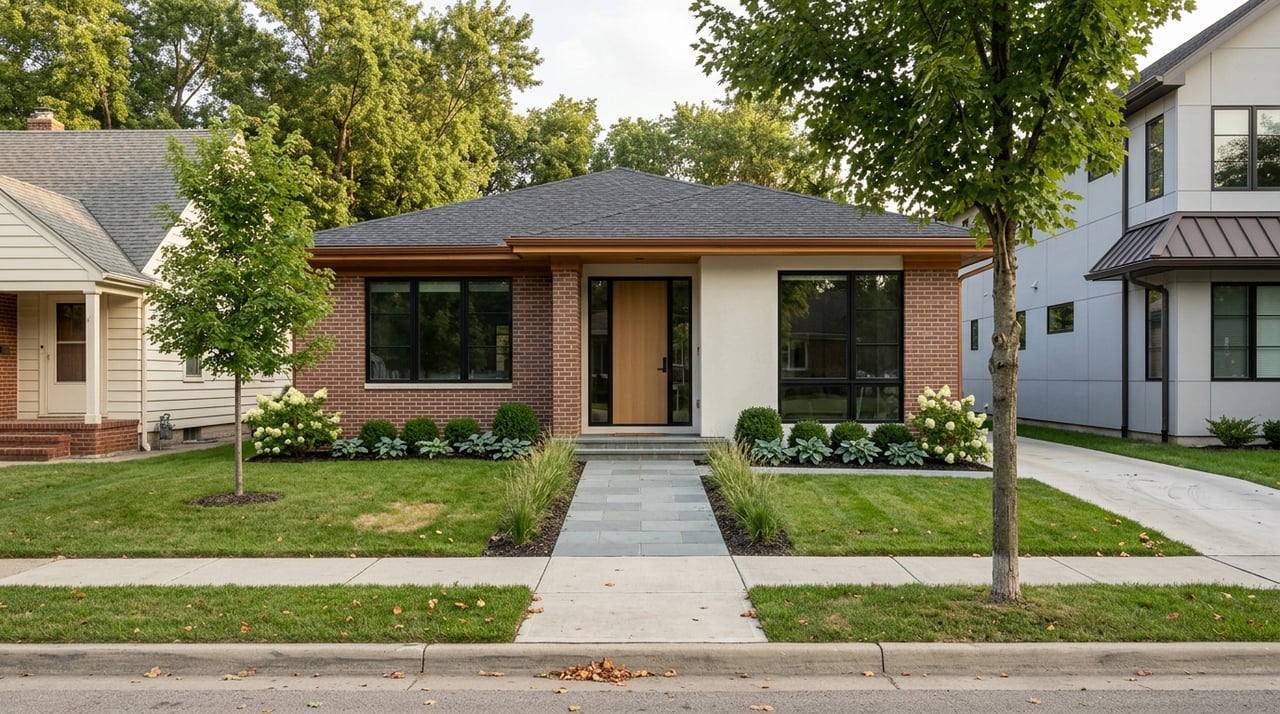
Wondering why Clarendon Hills feels so visually appealing, even though the homes do not all look the same? That is part of the village’s charm. If you are buying, selling, or simply getting to know the area, it helps to understand how older homes, postwar properties, and newer infill all shape the look of Clarendon Hills today. Let’s dive in.
What defines Clarendon Hills streetscapes
Clarendon Hills is not a one-style village. Its visual character comes from layers built over time, starting with railroad-era planning in the 1870s, followed by incorporation in 1924, and continuing through later subdivision and redevelopment.
That layered history still shows up on the street. According to the latest CMAP community snapshot, 73.3% of housing units are detached single-family homes, 39.9% were built from 1940 to 1969, 20.2% were built in 2000 or later, and the median year built is 1976. In practical terms, that means you are likely to see a mix of eras on many blocks rather than one uniform housing type.
The village also places real value on compatibility. Its planning language makes clear that new development should balance with the preservation of existing neighborhoods, which helps explain why old and new homes often feel connected rather than in conflict.
Why the village feels cohesive
Even with a range of home styles, Clarendon Hills often feels visually steady and well kept. The CMAP snapshot reports 82.9% owner occupancy, which helps support a consistent look across many streets.
That consistency is not about identical architecture. It is more about scale, mature landscaping, porch presence, and the way homes sit within the village setting. Tree-lined streets, walk-to-town blocks, and established lots do a lot of the work in shaping curb appeal here.
The result is a village feel that reads as human-scaled and connected. You notice the streetscape as much as the house itself, which is important if you are evaluating long-term lifestyle fit as well as architecture.
Classic cottages and early homes
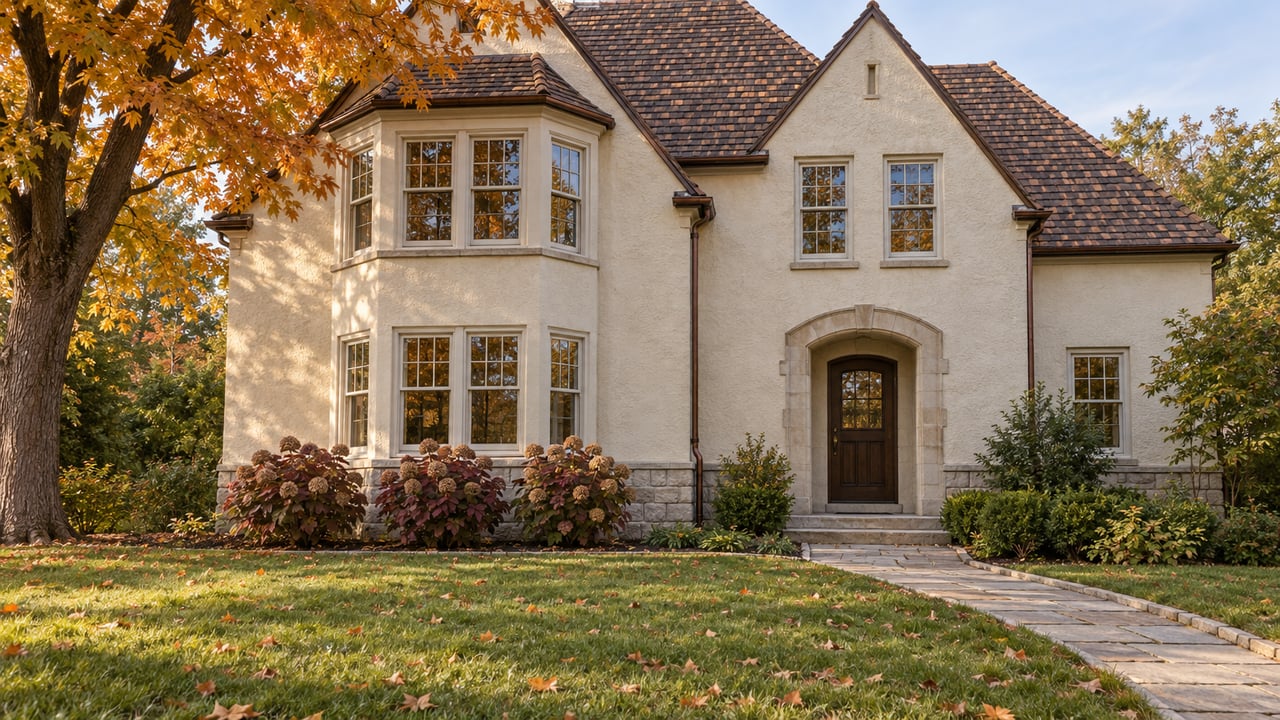
One of the most distinctive parts of Clarendon Hills is its collection of vintage cottages and early village homes. These are often the homes that give a block its strongest sense of charm, with features like porches, fireplaces, built-ins, sunrooms, and compact 1.5-story layouts.
From the street, these homes often feel intimate and inviting. They tend to sit comfortably on their lots and contribute to the village’s older, established character. The Clarendon Hills Historical Society also highlights homes that have been part of the village since its founding, including homes that are more than 100 years old.
If you are drawn to originality and period character, this part of the market may stand out to you right away. At the same time, these homes often come with smaller kitchens and baths, more segmented floor plans, and a higher chance that future updates to systems, windows, insulation, or layout may be part of ownership.
What buyers often appreciate
Buyers are often drawn to early homes for a few clear reasons:
- Charming street presence
- Original-feeling architectural details
- Porch-friendly design
- A strong sense of history within the village
What to keep in mind
These homes can be deeply appealing, but they may also require a practical eye. If you love the look and feel of a vintage home, it helps to think through how much updating you want to take on over time.
Mid-century ranches and split-levels
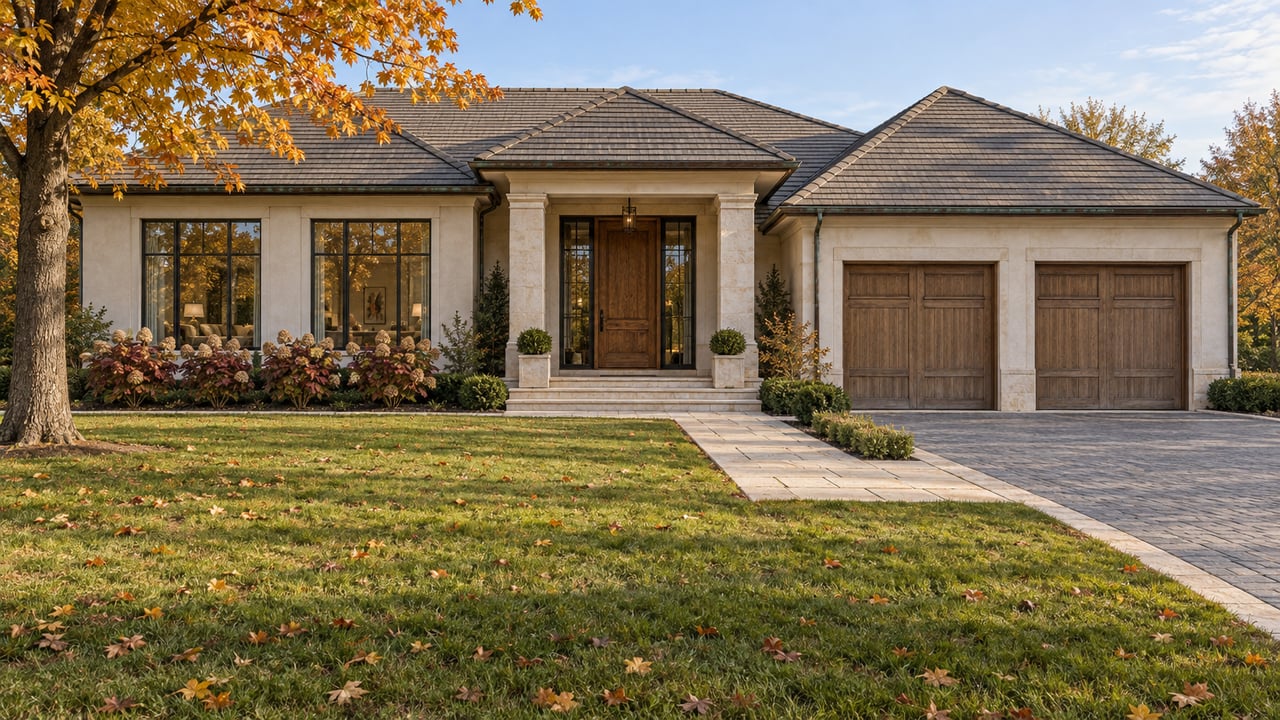
Clarendon Hills also has a strong postwar housing layer, especially from the 1940 to 1969 period, which is the village’s largest housing-age bucket. This is where you are likely to encounter ranches, split-levels, and other mid-century homes with practical layouts and a more understated exterior presence.
These homes often appeal to buyers who want livability first. One-level flow, open living and dining potential, and easier day-to-day function can make them a smart fit for many households.
From a design standpoint, mid-century homes can offer a very different kind of value than older cottages. Rather than preserving every original detail, buyers often approach them as homes that reward staged modernization, updating key rooms and finishes over time without needing a full rebuild.
Why this style stays popular
Mid-century homes tend to attract interest because they often offer:
- Straightforward, practical floor plans
- Easier navigation than older multi-level homes
- Strong potential for thoughtful updates
- A lower-slung profile that fits comfortably into established blocks
For some buyers, this is the sweet spot between character and convenience. You still get an established neighborhood setting, but often with a layout that feels easier to adapt to modern living.
New construction and infill homes
At the newer end of the market, Clarendon Hills includes boutique infill, rebuilt homes, and downtown townhomes or rowhouses. Recent examples in the research include newer townhome construction on Burlington Avenue and rowhouse-style development near the center of town.
These properties usually appeal to buyers who want a more turnkey purchase. Open kitchens, larger primary suites, newer finishes, and lower near-term maintenance are often part of the draw.
There is usually a tradeoff, though. Newer homes may come at a premium, and some may offer less mature landscaping or a different lot feel than older parts of the village. For many buyers, the question becomes whether they value convenience and newer finishes more than lot maturity and vintage detail.
What newer homes offer
Newer construction and infill often stand out for:
- Contemporary function
- More open interior layouts
- Lower immediate maintenance needs
- Close access to downtown amenities in some locations
In Clarendon Hills, the key point is that newer homes are generally expected to fit the surrounding context. The village’s planning approach favors compatibility, so newer development is part of the mix, not a complete reset of neighborhood character.
Downtown design and walkable blocks
Clarendon Hills streetscapes are shaped not only by homes, but also by the public realm. The village’s downtown design guidelines note that there is no single defining architectural style, but they encourage traditional proportions, human scale, brick and stone materials, and a continuous street edge.
That matters if you are thinking about walkability and day-to-day experience. Downtown improvements have also been framed around pedestrian safety, reducing difficult crossings, and adjusting the design as trees and parking are reconsidered.
In other words, streetscape here is planned as something you experience on foot, not just through a windshield. That helps reinforce the village feel buyers often notice right away.
What sellers should understand about style
If you own a home in Clarendon Hills, your property is often being judged in relation to its streetscape as much as its square footage. Buyers here tend to notice how a home fits into the block, how it presents from the street, and whether its design feels aligned with the setting around it.
That does not mean every home should look the same. It means presentation matters. For older homes, that may mean highlighting charm and original details. For mid-century homes, it may mean showing clean lines, functional flow, and thoughtful updates. For newer homes, it often means emphasizing finish quality, convenience, and compatibility with the neighborhood context.
This is where a design-aware strategy can make a real difference. When your home’s style is clearly framed and well presented, buyers can more easily understand its value within the broader Clarendon Hills market.
How to think about the right fit
If you are buying in Clarendon Hills, it helps to look beyond labels like cottage, ranch, or new construction. The better question is how each style aligns with the way you want to live.
A charming early home may offer warmth, detail, and a memorable streetscape presence. A mid-century house may give you flexibility and a practical layout. A newer infill property may offer a streamlined move and less near-term upkeep.
The best fit often comes down to your comfort with maintenance, your design preferences, and how much you value original character versus turnkey convenience. In Clarendon Hills, the good news is that you do not have to choose between village atmosphere and variety. The market offers both.
If you are thinking about buying or selling in Clarendon Hills, working with someone who understands not just pricing, but also presentation, neighborhood character, and how each home style is perceived can help you make a more confident move. To start that conversation, Jessica Halkias offers thoughtful, design-aware guidance tailored to the west suburban market.
FAQs
What home styles are common in Clarendon Hills?
- Common home styles in Clarendon Hills include vintage cottages and early village homes, mid-century ranches and split-levels, and newer infill homes such as rebuilt single-family properties, townhomes, and rowhouses.
What makes Clarendon Hills streetscapes stand out?
- Clarendon Hills streetscapes often stand out because of tree-lined streets, mature landscaping, porch presence, walk-to-town blocks, and a village-scale mix of older and newer homes that are expected to remain visually compatible.
Are most homes in Clarendon Hills older or newer?
- The housing stock is mixed. CMAP reports that 39.9% of homes were built from 1940 to 1969, 20.2% were built in 2000 or later, and the median year built is 1976.
Is Clarendon Hills mostly single-family housing?
- Yes. The CMAP community snapshot reports that 73.3% of housing units in Clarendon Hills are detached single-family homes.
What should buyers know about older homes in Clarendon Hills?
- Buyers looking at older Clarendon Hills homes should expect charm and original details, but also the possibility of smaller rooms, more segmented layouts, and future updates to kitchens, baths, windows, insulation, or home systems.
What should buyers know about newer construction in Clarendon Hills?
- Buyers considering newer construction in Clarendon Hills can often expect more turnkey finishes, open layouts, and lower near-term maintenance, with possible tradeoffs such as a premium price point or less mature landscaping than older blocks.