"I love living in Naperville, and we are victims of our own success. Everyone wants to live in Naperville now, and so we need more housing. I hope my kids can grow up and still come back to Naperville, so we do need more housing."
DuPage County Board member Lucy Chang Evans said that to Naperville's Planning and Zoning Commission on June 3, 2026, while defending a project that still has not come to a final vote. She was talking about Naperville Ridge, a proposed 94-unit duplex community that Pulte Home Co. wants to build on 32 wooded acres the DuPage Water Commission currently owns along 75th Street. The commission voted 4-2 to recommend it. Three months later, the city council heard hours of public comment and adjourned without deciding anything.
That gap between "recommended" and "decided" is the story if you are trying to downsize inside Naperville without leaving it. The city has plenty of family-sized single-family homes and a growing supply of downtown condos. What it does not have, right now, is much in between: single-level living, low maintenance, market rate, and not restricted to residents over 55. Naperville Ridge was designed to be exactly that. Its fate is currently stuck in a fight over wetlands, trees, and who gets to decide what happens to public land that borders a forest preserve.
A Different Kind Of Downsizing
Pulte's own attorney on the project, Caitlin Csuk of the Naperville firm Rosanova and Whitaker, described the target buyer plainly to commissioners in June. "These potential buyers are looking to downsize, but they're not necessarily looking to move into an age-restricted or senior housing community," she said. "They're looking to stay in town and move somewhere with limited maintenance and passive recreation."
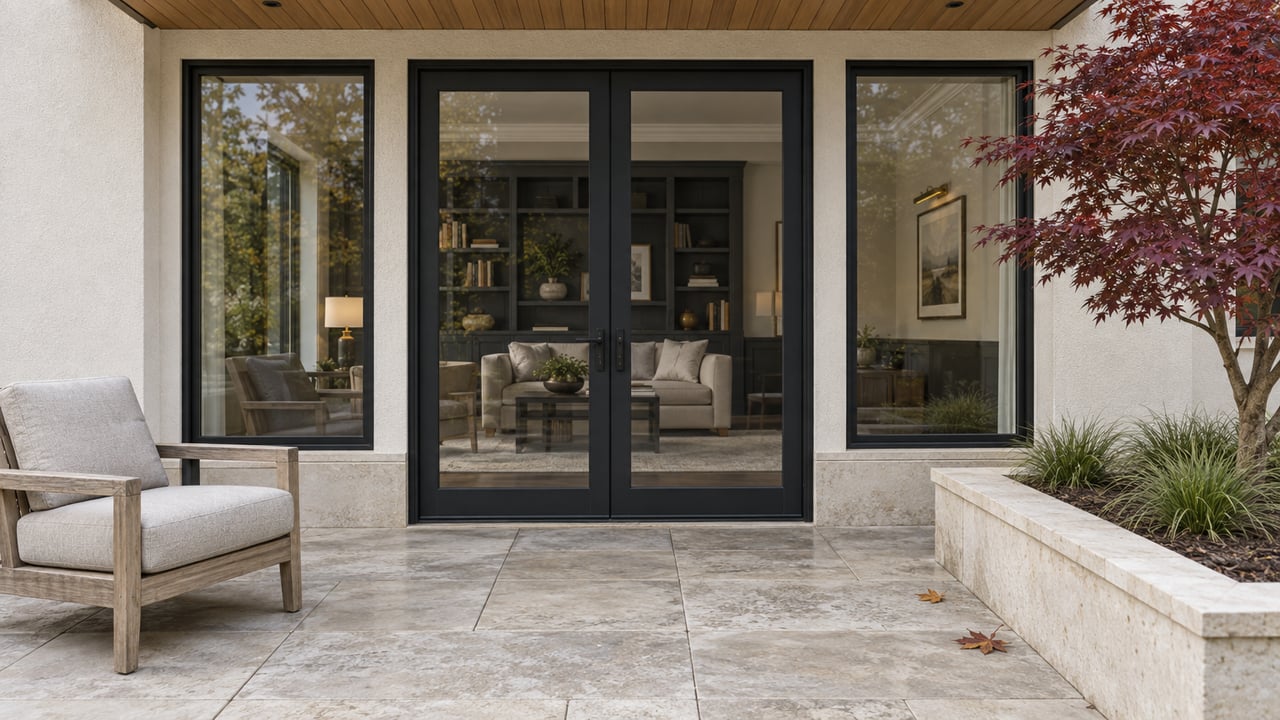
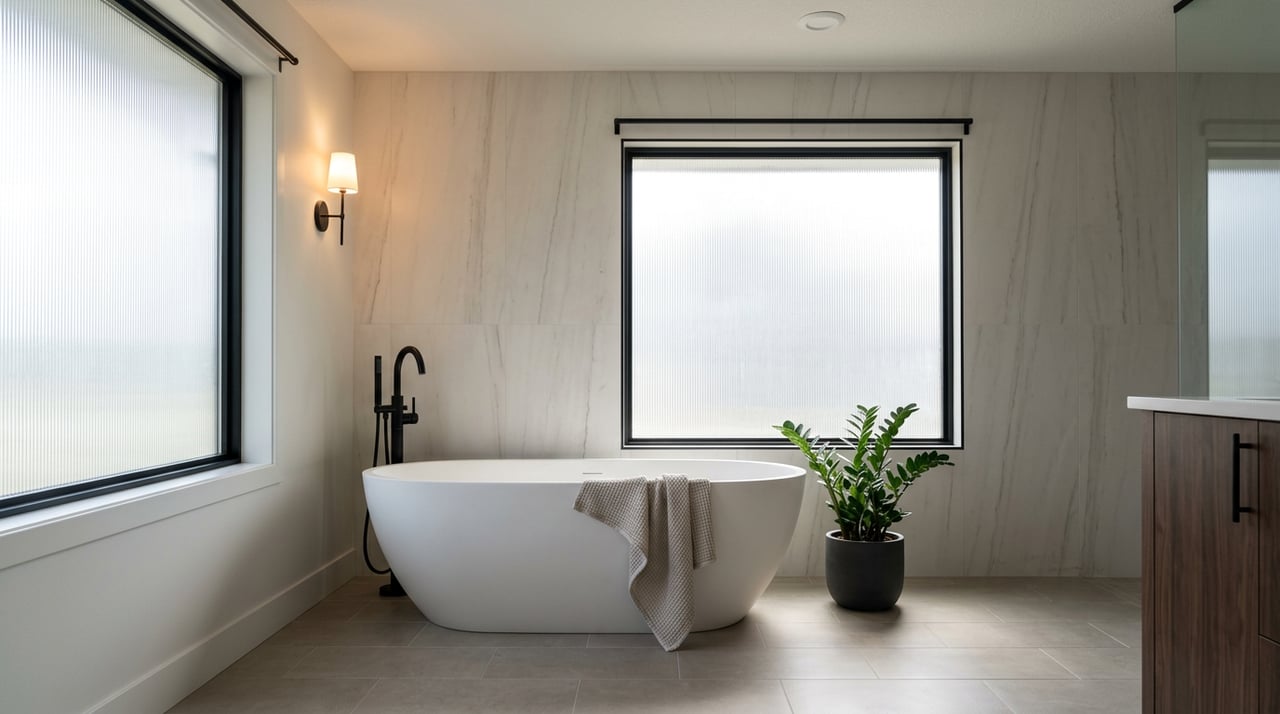
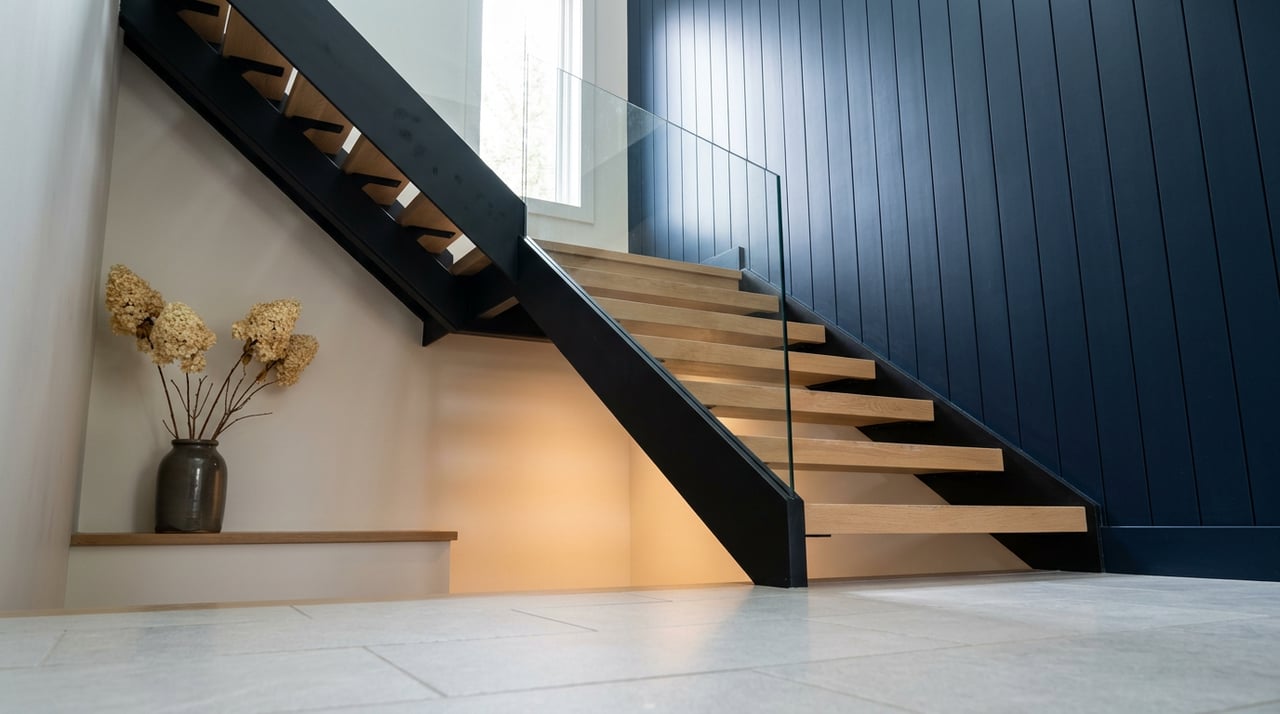
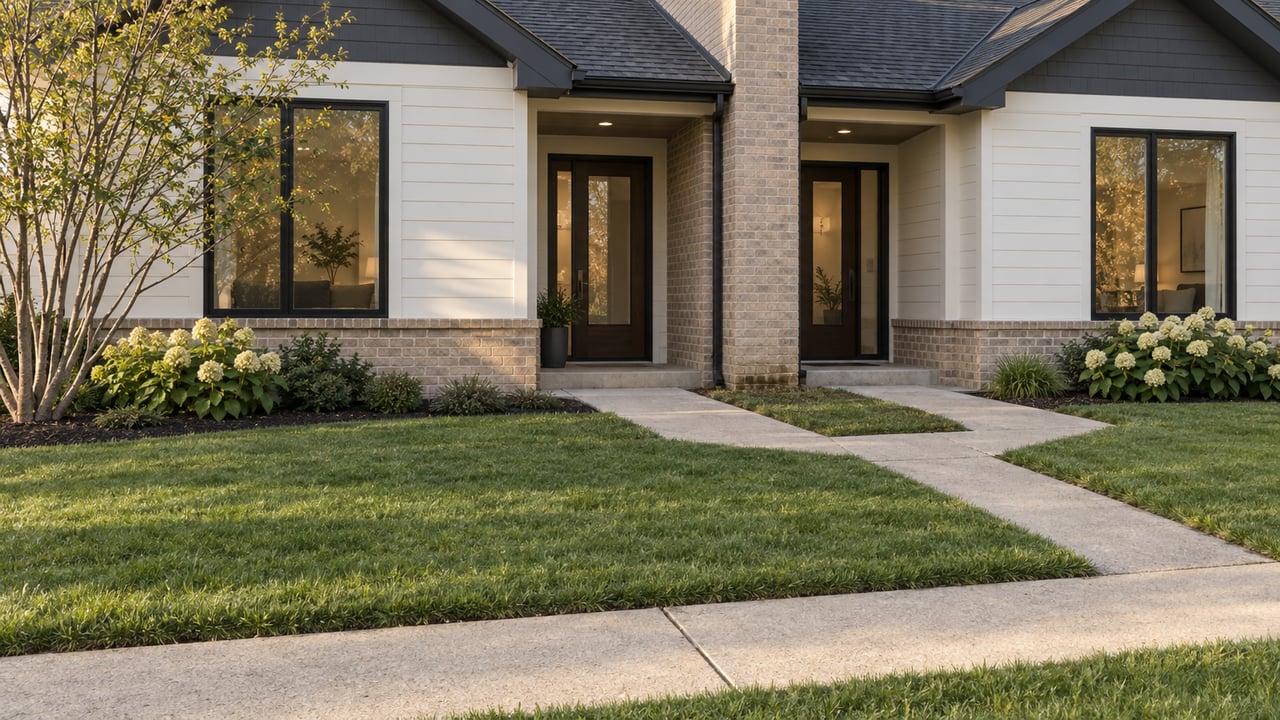
That distinction matters more than it sounds. Age-restricted senior communities already exist in the Chicago suburbs. What is much harder to find is new construction, priced at market rate, open to any age, and built around a first-floor primary suite instead of a two-story floor plan. Project filings submitted to the city in March put Naperville Ridge's pricing at $700,000 to $900,000 per duplex, arranged in two residential pods on the roughly 32-acre site. Every unit would include a first-floor primary bedroom. None would carry an age restriction.
The project's own marketing language, filed with the city, calls it "a new high-end opportunity for empty nesters and pre-empty nesters to downsize." That phrase, pre-empty nesters, is doing real work. It is aimed at people who are not yet ready to leave Naperville but are done maintaining a quarter-acre lot and a two-story colonial.
The Space Between A Condo And A Custom Home
Naperville's own price data shows why that gap is real. As of April 2026, the median sale price for a detached single-family home in the city sat close to $700,000. Attached product, condos and townhomes combined, priced closer to $254,500 around the same period. Those two numbers describe two very different housing experiences: an entry-level condo, often without a garage or a yard, and a full detached home that typically still asks its owner to handle two staircases, a full basement, and everything that comes with a larger lot.
What barely exists between those figures is a single-level, low-maintenance product built for someone who wants to stay in the same school district, the same grocery store rotation, and the same circle of friends, but no longer wants to manage a house sized for raising kids. Naperville Ridge's $700,000 to $900,000 range sits almost exactly in that missing middle. That is precisely why the project drew a positive recommendation from planners even as it drew sustained opposition from neighbors.
Why One Parcel Became A Fight
The land itself is the complication. The site is currently unincorporated DuPage County, wedged between homes in Naperville to the west and apartments in Woodridge to the east, and it shares a corner with the Greene Valley Forest Preserve. Roughly 11 of its 32 acres are classified as critical wetlands and buffer zones. Csuk told commissioners the plan would preserve more than 1,300 trees and keep about 55 percent of the site as open space, citing tornado damage from 2021 as part of the justification for the trees the project would still remove.
Opponents read the same plan differently. A Change.org petition titled "Stop Naperville Ridge Development" argues the project would remove more than 850 mature trees and points to a U.S. Fish and Wildlife Service flag on the property for the Northern Long-eared Bat and the Tricolored Bat, both listed as endangered or proposed endangered. By the August 18 city council meeting, that petition had passed 2,700 signatures, according to testimony reported by Citizen Portal's coverage of the meeting.
"The petition against Naperville Ridge is at 2,700 signatures and continuing to climb," resident Rita Triones told council, describing the site as home to "over 2,100 trees, multiple sensitive wetlands, endangered bats, threatened birds."
Triones had made a related point earlier in the process, telling reporters in June that "there's vacant land for sale that's unused commercial, unused farmland. There isn't a shortage of places to build homes." Her argument is not that Naperville needs no new housing. It is that this specific 32 acres, adjoining protected forest preserve land, is the wrong 32 acres.
The DuPage Water Commission's board chairman, Jim Zay, has defended the sale in more practical terms. "The property was sitting vacant, and this was the best use for it," he said, adding that the parcel was declared surplus after the commission concluded it would never be needed for water infrastructure. He has also said the commission never coordinated with the Forest Preserve District before putting the land under contract, a point the district's president, Daniel Hebreard, confirmed when his office said it had not been approached about the property and generally avoids commenting on specific parcels to keep acquisition costs from rising if it later wants to bid.
Where The Vote Actually Stands
For anyone tracking this as a live decision rather than settled history, the sequence so far looks like this:
- June 3, 2026: Naperville's Planning and Zoning Commission votes 4-2 to recommend the project, with commission chair Whitney Robbins and member Derek McDaniel both voting in favor while voicing reservations about unit count.
- Through the summer: opposition organizes, the Change.org petition circulates, and residents flag a discrepancy over roughly 11 acres in the site's southeast quadrant that had never been formally inventoried for trees.
- August 18, 2026: the city council hears public comment, including testimony citing the 2,700-signature petition, and takes no final action on annexation or approval. Staff indicate conversations with residents will continue.
- As of late September 2026: no council vote has been scheduled.
Annexation has to happen before anything can be built, since the parcel is still unincorporated. That step alone requires a council vote that, as of this writing, has no date attached to it.
What This Means If You Want To Downsize Here Now
If your plan depends on Naperville Ridge specifically, the honest answer is that nobody, including the city council, can currently tell you when or if it will be built. Projects tied to annexation votes on contested land routinely take months longer than either side expects, and this one is still short an actual hearing date.
If your plan is broader, the more useful takeaway is what this fight reveals about the category itself. Naperville's housing stock is heavily weighted toward larger detached homes and, increasingly, downtown condos and townhomes. A market-rate, non-age-restricted, single-level product built specifically for someone downsizing in place is rare enough that one 32-acre proposal became a citywide land use debate. That scarcity is worth knowing before you assume the right kind of home will simply appear on the market when you're ready to look.
A Few Questions We Keep Hearing
Is Naperville Ridge an age-restricted community? No. Project filings and Pulte's attorney have both been explicit that the community will not carry an age restriction, even though it is marketed toward empty nesters and pre-empty nesters.
What would a unit cost? Filings submitted to the city in March 2026 put pricing at $700,000 to $900,000 per duplex.
When will the city council vote on it? As of the August 18, 2026 meeting, no vote had been scheduled. The site must first be annexed into Naperville, which requires its own council approval before any building permit could follow.
What are my options if I want to downsize inside Naperville right now, without waiting on this project? As of this writing, the realistic choices are existing attached product, mostly condos and townhomes closer to downtown, or an older detached home that may still involve stairs and more maintenance than you're looking to take on. A purpose-built, non-age-restricted, single-level new construction option does not yet exist inside city limits.
If you're weighing a downsizing move in or around Naperville and want a clearer read on what's actually available now versus what's still tied up in a hearing room, Jessica Halkias can walk through the real inventory with you and help you decide whether to wait on a project like this or move on something that already exists.