Thinking about trading your Chicago condo for more space, a yard, and strong schools? If Naperville is on your list, you’re not alone. With a population of about 149,540, this full-service suburban city offers parks, the Riverwalk, a robust library system, and a range of homes that fit different budgets and lifestyles. In this guide, you’ll learn what to expect on budget, commute, home types, neighborhoods, schools, and the exact steps to get started with confidence. Let’s dive in.
Why Naperville fits first-time suburban buyers
Naperville attracts buyers who want more square footage, private outdoor space, and access to well-regarded public schools while staying connected to Chicago. You’ll find a wide mix of housing options and family-focused amenities, plus commuter rail access to downtown.
Space and lifestyle upgrades
Compared with many Chicago condos, single-family homes in Naperville often deliver larger interiors and private yards. You can host, garden, or set up a play space without leaving home. Parks, youth programs, and community events add more everyday convenience.
Key tradeoffs versus a city condo
- Commute: You trade some walkability and shorter city commutes for more space and suburban living.
- Ongoing costs: Homes come with maintenance and often higher property tax bills. City condos may have HOA fees but generally shift much of exterior maintenance to the association.
- Community priorities: Naperville’s schools and programming are major draws if you want neighborhood-based activities. City living often prioritizes nightlife, proximity to work, and transit.
Budget and true costs to plan for
Your total monthly housing cost will likely include mortgage, property taxes, insurance, and maintenance, plus HOA dues if applicable. Naperville’s most sought-after neighborhoods can command premium pricing relative to many farther-out suburbs, and inventory shifts with seasonality and interest rates.
Down payment and loan basics
- Conventional loans often start at 3% down, with many buyers putting 5% to 20% depending on goals and loan type.
- FHA loans commonly require 3.5% down, and VA/USDA options may apply if you are eligible.
- First-time buyer assistance may be available through the Illinois Housing Development Authority (IHDA). Confirm eligibility, income limits, and current program terms before you shop.
Property taxes and insurance
- Illinois property taxes are relatively high compared with many states, and DuPage County rates make a meaningful impact on monthly cost. Request recent tax bills for any home you consider.
- Homeowners insurance varies by replacement cost, location, and history of claims. Some low-lying lots near rivers or creeks may require flood insurance.
HOA dues and maintenance
- Townhomes and some single-family subdivisions have HOAs with dues that cover items like common area care, snow removal, or pools. Always review the budget and rules.
- For single-family homes, budget for routine upkeep plus larger items like roof, HVAC, and appliances. A realistic maintenance line item helps avoid surprises.
Typical buyer cost checklist
- Earnest money deposit
- Down payment
- Closing costs (lender, title, recording, prorated taxes/insurance)
- Property taxes and homeowners insurance
- HOA dues if applicable
- Moving costs and initial maintenance or improvements
Home types and what to expect
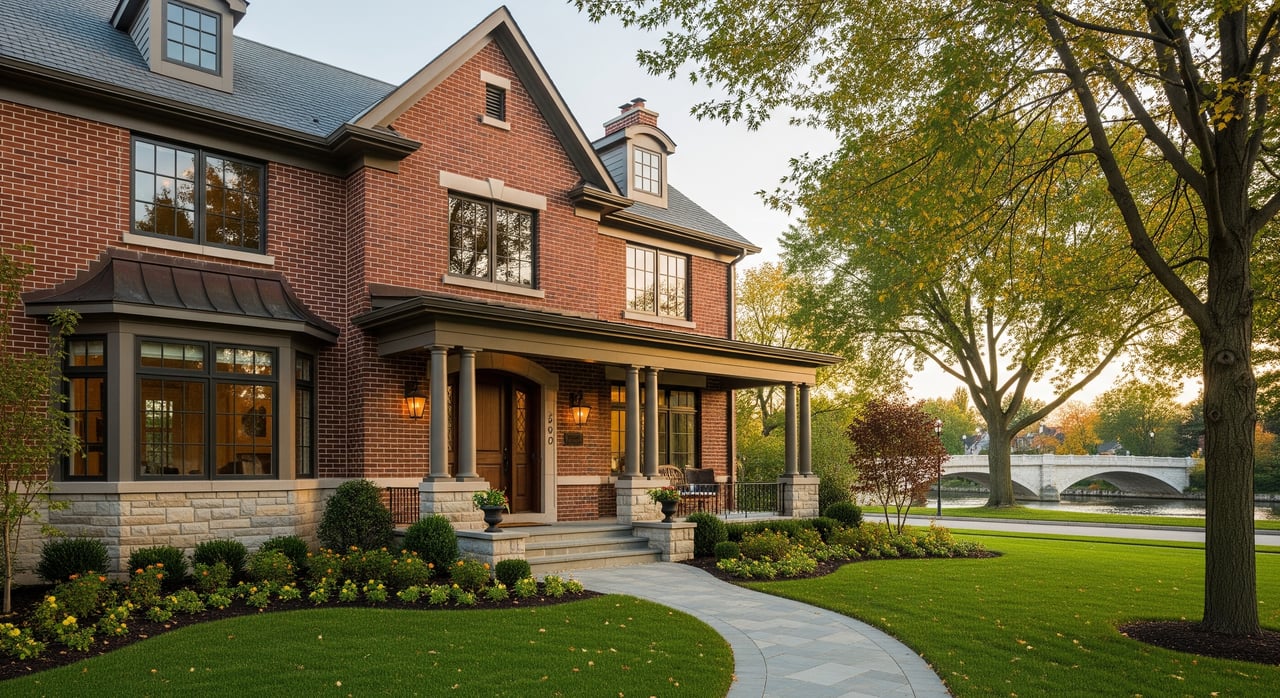
Naperville’s housing stock spans decades and styles, from established neighborhoods with mature trees to newer planned communities with modern layouts.
Detached single-family homes
These are most common, with lot sizes that often exceed typical Chicago lots. Homes range from compact starter properties to 2,500+ square-foot family homes. Set must-haves for bedrooms, a basement, and garage.
Townhomes and duplexes
Great if you want lower maintenance than a house but more space than a condo. Expect HOA structures and shared amenities in many communities.
Condos near key amenities
You’ll find fewer condos than in Chicago. Options are concentrated near downtown Naperville and select mixed-use developments, often appealing to buyers seeking walkability to the Riverwalk, shops, and dining.
New construction
Available in peripheral or infill subdivisions. You’ll pay a premium for new finishes and warranties. Review builder timelines and contract details closely.
Condition and inspections
Older homes may need updates to HVAC, roof, or sewer. Plan for a thorough inspection and, if needed, targeted specialty inspections such as sewer scopes or roof evaluations. For new builds, understand warranty coverage and punch-list processes.
Neighborhoods, schools, and daily life
Naperville offers many distinct areas. School assignments are address-specific, so verify boundaries before you fall in love with a home.
School districts overview
- Naperville Community Unit School District 203 and Indian Prairie Community Unit School District 204 serve different parts of the city and are widely regarded for academics and activities.
- Always confirm the assigned schools for a specific address and review official report cards and programs that matter to you. Boundaries can change.
Neighborhood snapshots to compare
- Downtown Naperville: Walkable setting close to the Riverwalk, dining, and the Metra station. Housing includes some condos, townhomes, and select single-family homes.
- South Naperville areas, including communities around Springbrook and Mill Creek: Often newer subdivisions with modern layouts and HOA amenities.
- East Naperville and the Countryside area: Primarily single-family homes with convenient access to major roads and shopping.
Because names and boundaries vary, tour with a local lens and confirm school assignments, HOA structures, and park access at the address level.
Parks, libraries, and programming
Naperville’s park system, forest preserves, and community programming support a wide range of interests. The Naperville Riverwalk, athletic leagues, and the library system help anchor community life year-round.
Commute, transit, and getting to Chicago
Plan your commute early so you can target homes that match your routine.
Metra BNSF Line
Naperville is served by the Metra BNSF line to Chicago’s Union Station. Peak service offers direct trains, with trip times that vary by express versus local options. If you plan to ride regularly, preview schedules and parking rules near the station.
Driving and highway access
Major routes include I-88, I-355, and Route 59. Drive times to downtown Chicago or the airports vary widely by traffic and time of day. Test your preferred route during peak hours before you commit to a neighborhood.
Hybrid and remote work
If you commute less often, Naperville’s home space and amenities become even more appealing. Prioritize a quiet office setup and reliable internet, and weigh proximity to the Metra station for occasional trips.
How buying here differs from a Chicago condo
Your search and due diligence will look a little different in the suburbs.
Search filters that matter
In Naperville, you’ll likely prioritize lot size, bedrooms, basement and garage, school district, and commute options. In the city, buyers often lead with walkability and building amenities. Set non-negotiables early to narrow your list.
Due diligence at the address level
Confirm school boundaries and municipal services, like snow removal and refuse schedules. Review any local ordinances relevant to your plans, including accessory structures or exterior changes.
Inspections and permits
Expect more extensive inspections for roofs, foundations, sump pumps, and, in rare cases, wells or septic systems. Review permit history for additions or major repairs to understand compliance and quality.
Financing and appraisals
Comparable sales in suburban areas can be more spread out than in a dense condo market. Appraisals reflect this, and value can hinge on micro-neighborhood attributes. For condo buyers in the city, project approvals can be a hurdle; single-family financing in Naperville typically sidesteps that layer.
Timing and contingencies
Micro-markets vary. Some homes still see multiple offers, while others allow for negotiation. Build in an inspection contingency and realistic timelines for repairs.
Step-by-step roadmap to your first Naperville home
- Get pre-approved
- Speak with a lender familiar with DuPage County to understand your full budget and monthly payments, including taxes and insurance.
- Define must-haves vs. nice-to-haves
- Lock in non-negotiables like school district, commute limit, bedrooms, and garage. Note aspirational items like yard size or updated finishes.
- Build a local team
- Partner with an agent experienced in Naperville who can explain school boundaries, HOA norms, and neighborhood nuance. Add a home inspector and real estate attorney or title company as needed.
- Tour with intention
- Visit target neighborhoods during rush hour and on weekends. Test-drive the commute and check Metra schedules. Walk to parks and shopping to gauge day-to-day feel.
- Make a strong offer
- Align on price, earnest money, inspection and mortgage contingencies, and closing timeline. In competitive moments, quick and clean terms help.
- Inspect and negotiate repairs
- Order a general inspection and consider specialty checks for older systems. Address safety and major components first in negotiation.
- Prepare for closing
- Finalize loan conditions early, secure homeowners insurance, and understand how taxes and utilities will be prorated.
- Move-in plan
- Schedule utility transfers, change your address, and handle early seasonal tasks like gutter cleaning or sprinkler winterization.
Ready to explore Naperville?
If you’re weighing space, schools, commute, and budget, local guidance makes all the difference. For a calm, process-oriented path from Chicago condo owner to Naperville homeowner, connect with Jessica Halkias to compare neighborhoods, refine your wish list, and design a smart search strategy.
FAQs
What makes Naperville appealing for first-time suburban buyers?
- You gain more interior space and a yard, access to well-regarded public schools, and community amenities like the Riverwalk, parks, and libraries, while staying connected to Chicago by Metra.
How do property taxes affect my Naperville budget?
- Illinois and DuPage County property taxes are a major part of monthly costs. Request the seller’s recent tax bills and factor them into your payment estimates before you write an offer.
Are there first-time buyer assistance programs in Illinois?
- Yes. IHDA routinely offers down payment assistance and favorable mortgage options for eligible buyers. Confirm current program terms, income limits, and qualifications before you shop.
How realistic is a Metra commute from Naperville to Chicago?
- Many residents commute via the Metra BNSF line to Union Station. Trip times vary based on express versus local trains. Review schedules that match your work hours.
What home types are most common in Naperville?
- Detached single-family homes are dominant, with townhomes and duplexes offering lower-maintenance options and fewer condos than in Chicago. New construction exists, typically at a premium.
How is buying a Naperville house different from buying a Chicago condo?
- You’ll emphasize lot size, bedrooms, garages, and school district. Inspections are more home-system focused, and HOA approvals are less central for single-family purchases compared with condos.